
Start here: the glass is shatterproof either way
Every door and window we make uses shatterproof glass as standard, single or double. So this decision isn't about safety — it's about comfort, and specifically about how well the enclosed space holds its temperature and keeps outside noise outside.
What double glazing actually does
Two panes with a sealed gap between them. The gap is the working part: it slows heat moving through the assembly, in either direction. On an enclosed Gauteng patio that means two things you'll notice — the room takes longer to become unbearable on a hot afternoon, and it holds warmth better on a cold Highveld evening. Noise reduction comes along as a secondary benefit.
Where it earns its cost
| Opening | Recommendation |
|---|---|
| West-facing, takes late-afternoon sun | Double — the clearest case |
| The room you'll actually live in year-round | Double |
| Exposed or elevated, wind and temperature swing | Double |
| Facing a busy road | Double |
| Sheltered patio used mainly in summer | Single is usually enough |
| Casement windows away from the main space | Single |
Mixing is allowed — and usually smart
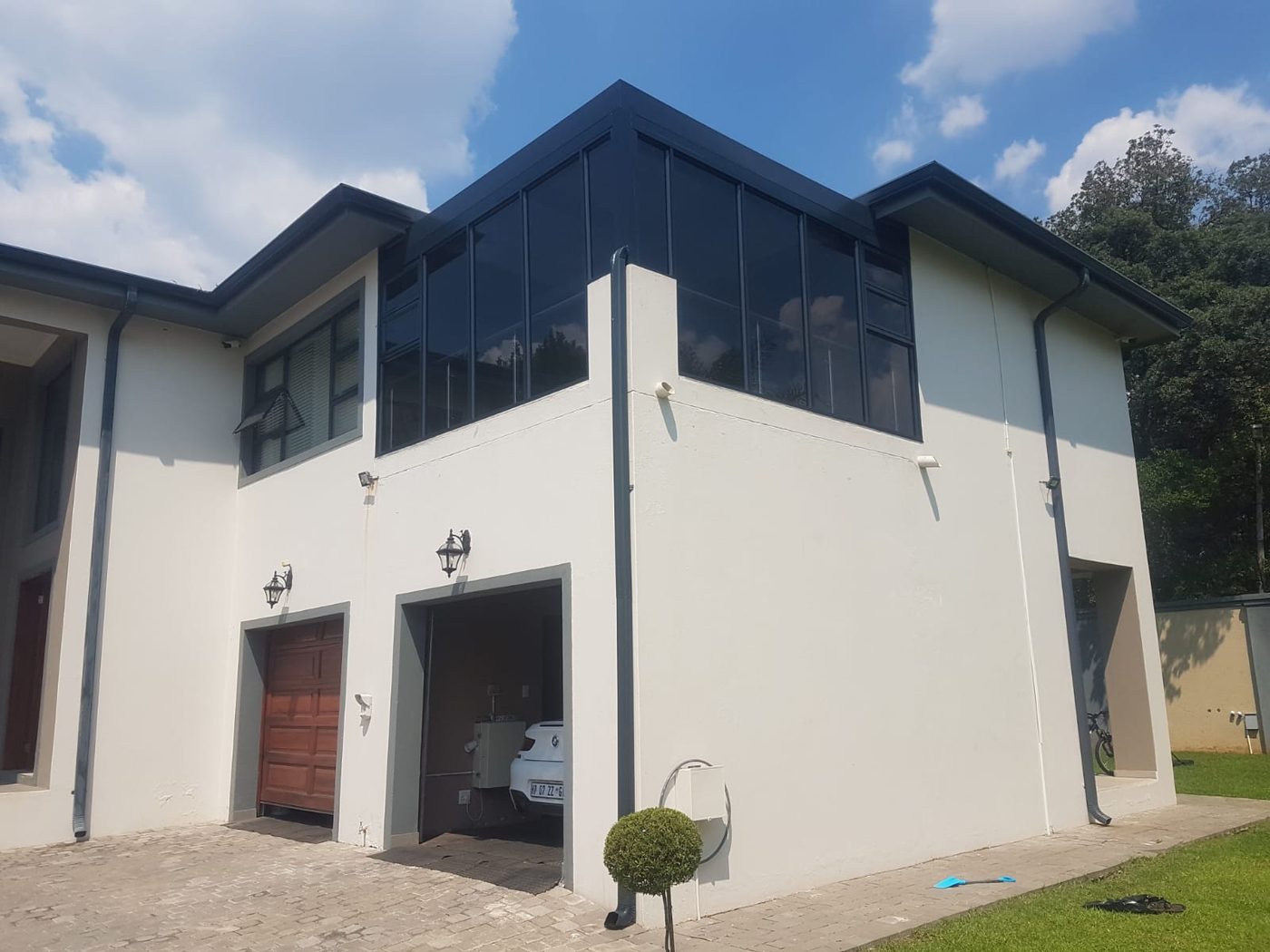
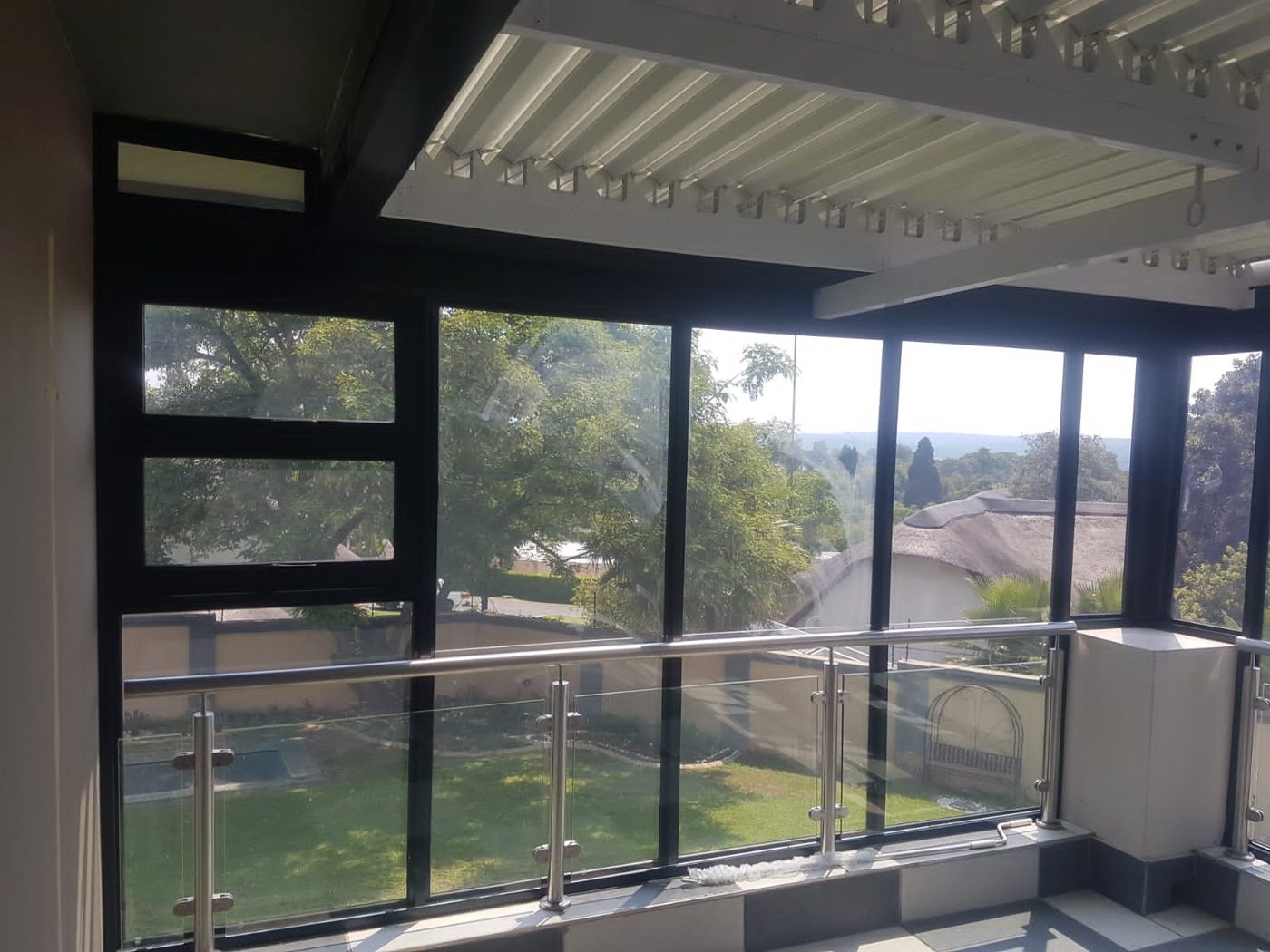
You are not buying one decision for the whole project. Double-glaze the large stack folding or sliding panels that make up the room you'll use most; single-glaze the casement windows on a side elevation or a section that's really just ventilation. Because every panel is made to your measurements, specifying different glazing per opening is normal rather than awkward.
Frosted, and other infill choices
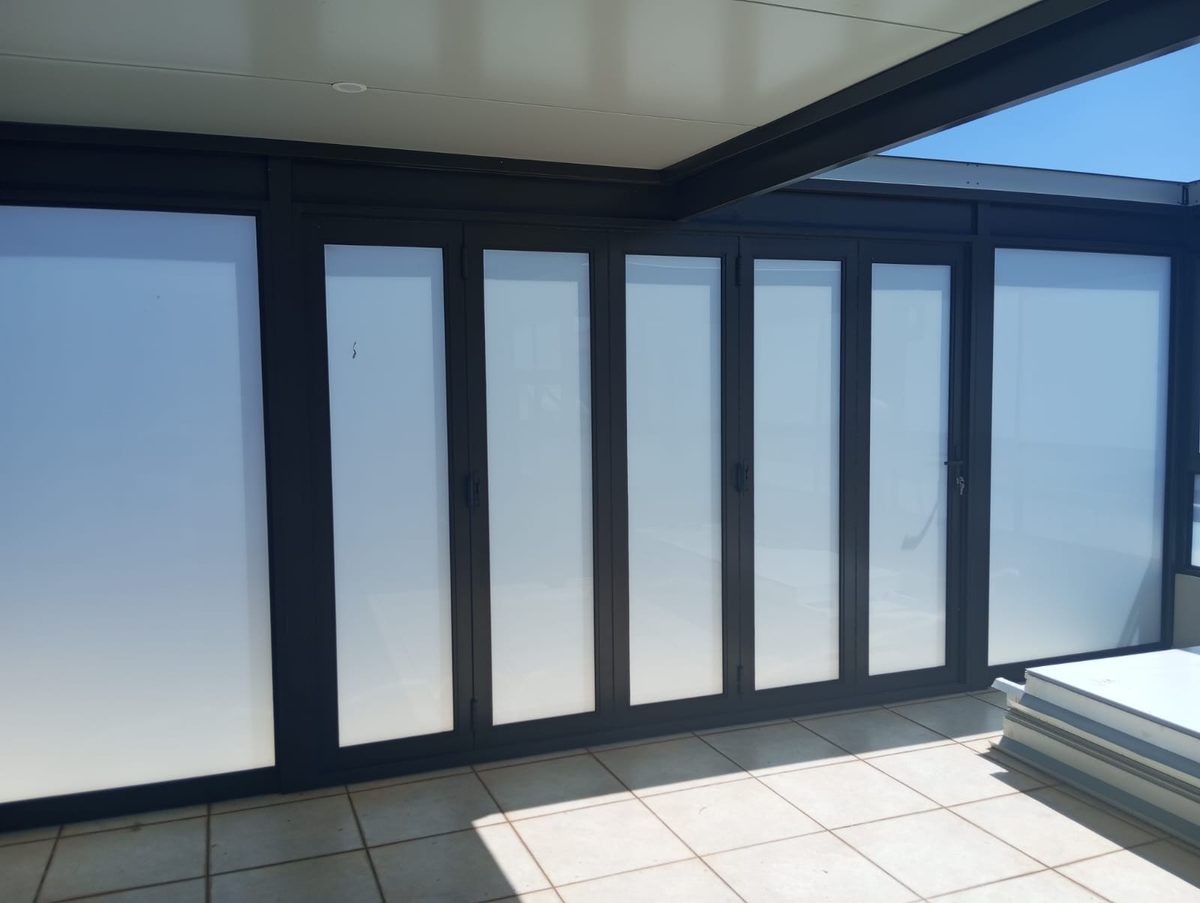
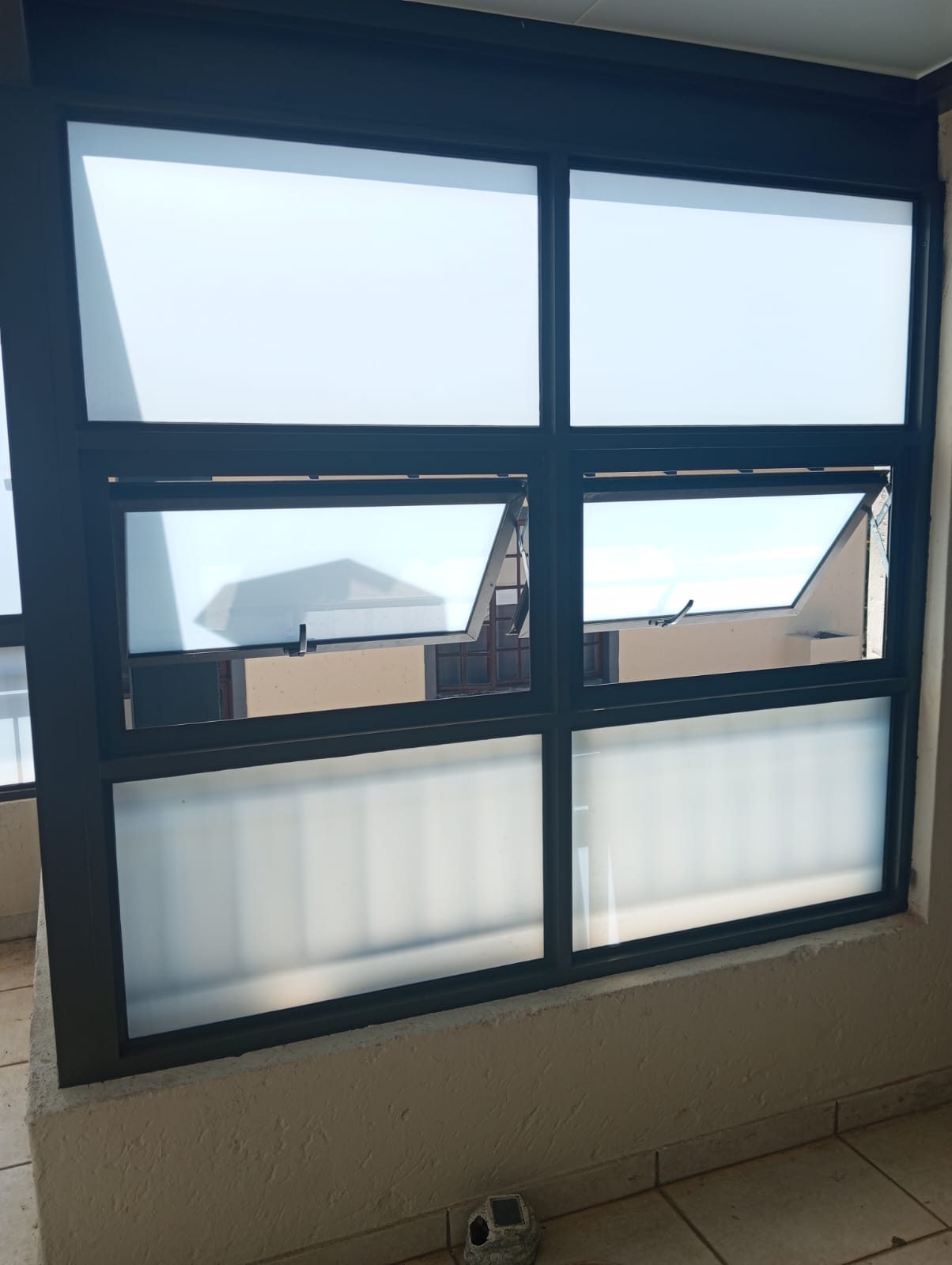
Glazing isn't only clear or double. Frosted panels are worth knowing about on tighter plots — they keep the daylight and remove the sightline, which solves the "my neighbour's window is right there" problem without darkening the room. The system is identical; only the infill changes.
Getting each opening specified
Send a photo of the space with rough width and height per opening, and tell us which direction the main glazing faces and how exposed it is. That's what drives the recommendation. All our doors and windows are weather-sealed with keyed locking, and everything is confirmed on site before manufacture.